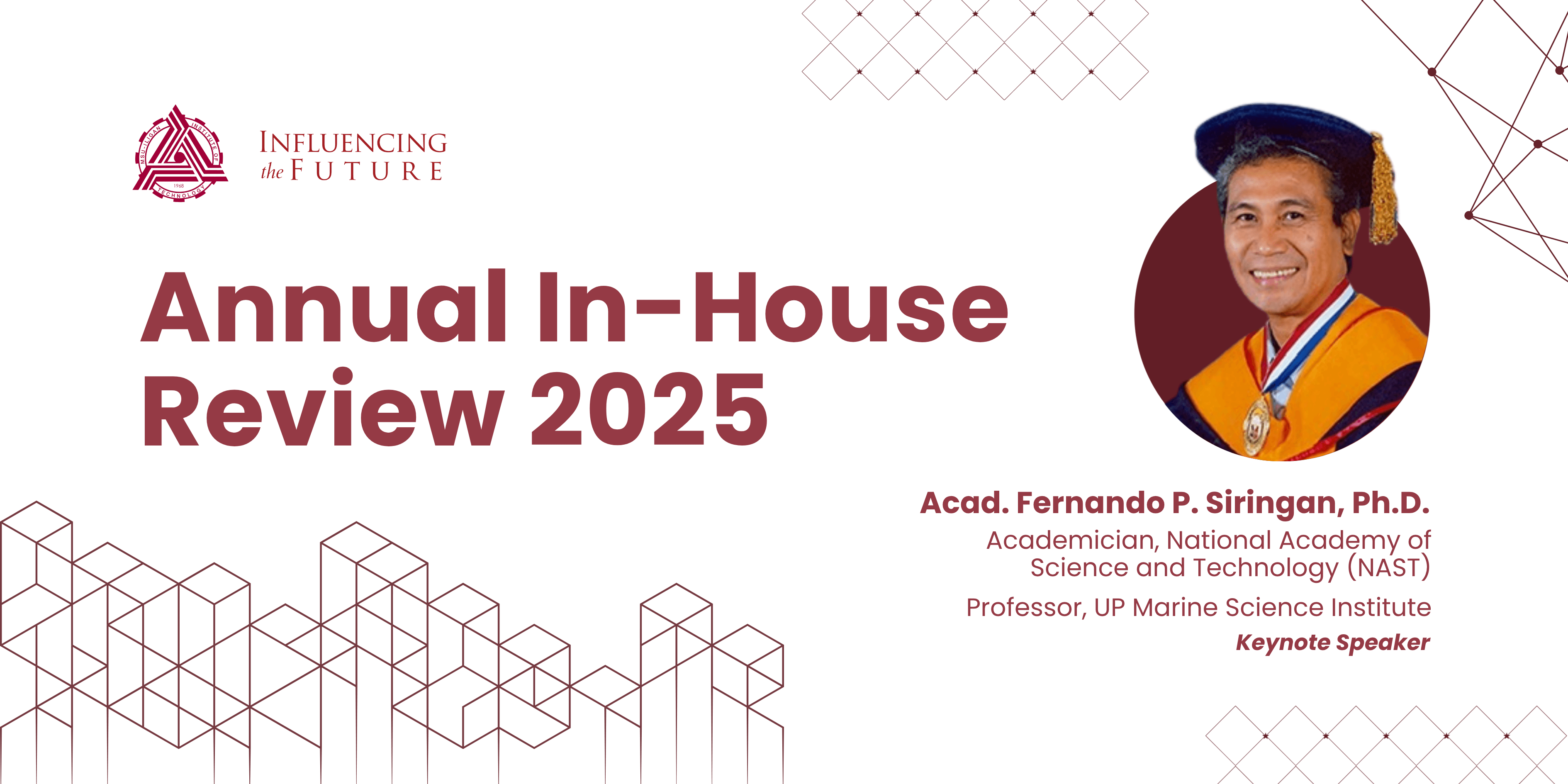
Speaker
Description
Abstract: Universities stand at the forefront of equipping learners for the demands of the digital era. In this transformative landscape, Open Educational Resources (OERs) have emerged as valuable tools in making education more accessible, cost-effective, and inclusive. This study examined the impression, perception, and acceptance of OER among junior and senior undergraduates at the Mindanao State University–Iligan Institute of Technology (MSU-IIT). Specifically, it sought to assess their awareness of OER, factors influencing acceptance, and barriers to adoption. Anchored on a descriptive survey design, 374 students were proportionally selected from seven colleges through stratified random sampling with balanced gender representation. A researcher-made questionnaire, validated by four expert reviewers, was administered and further supported by reliability testing and ethical review. Data analysis employed descriptive statistics to identify trends in awareness, perception, and use. As of September 19, 2025, partial data from 121 respondents revealed varied levels of awareness and experience. Most students (76%) used OER for personal learning, while 24% were unsure or had not used them, indicating gaps in recognition and exposure. About 66.1% observed OER integration in their courses, while 29.8% were uncertain, suggesting that OER might be used but not clearly identified in classroom practices. Notably, 90.9% had not attended any OER-related training, and 37.2% first learned about OER through this survey, showing limited institutional promotion. These findings highlight the potential of OER to support equitable learning but also point to the need for stronger awareness campaigns, faculty training, and clearer integration strategies to maximize their educational value.
Key Words: descriptive statistics; digital era; equitable learning; stratified random sampling; universities
