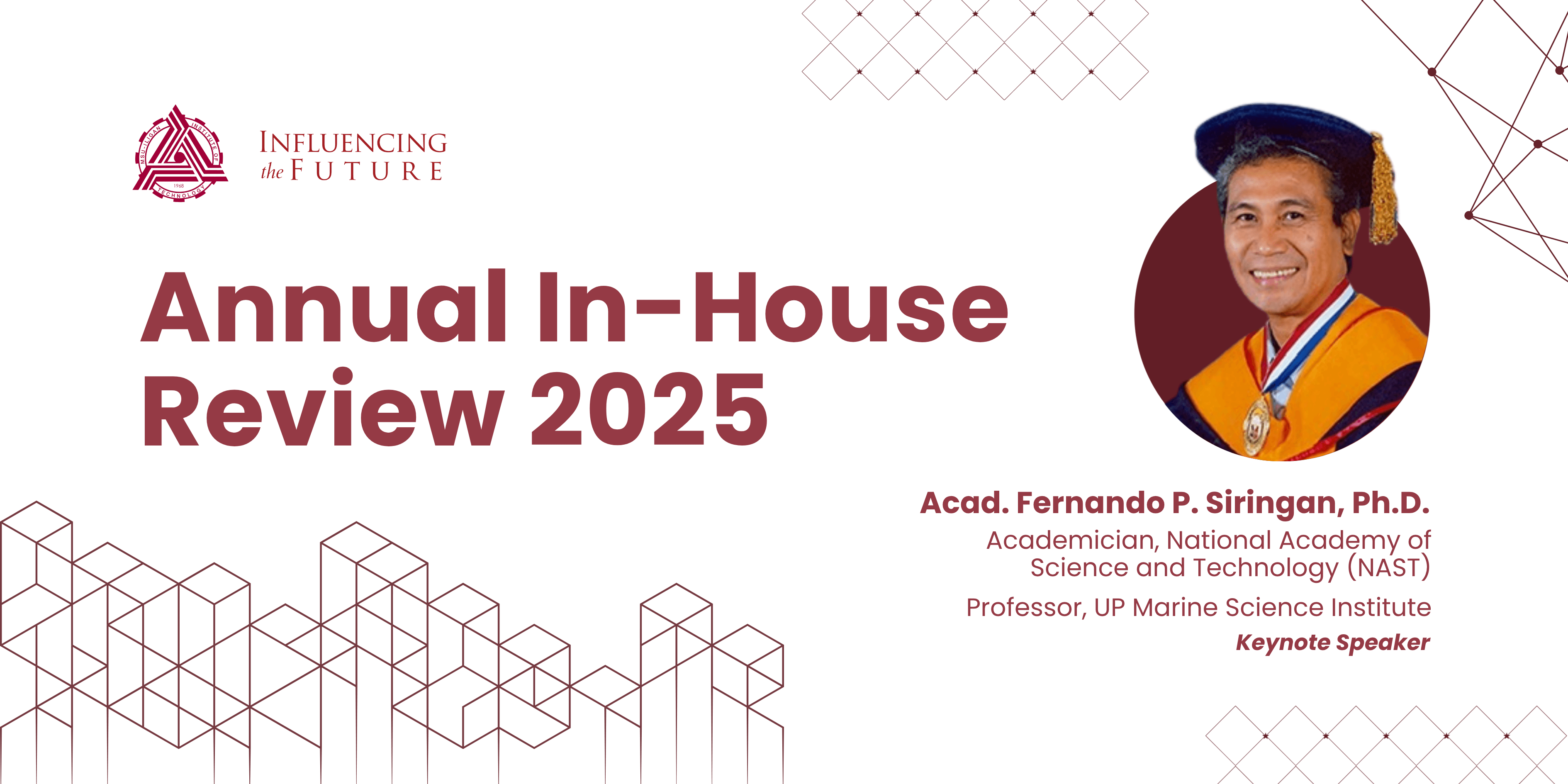
Speaker
Description
Abstract: In an era where climate change exacerbates the frequency and severity of natural disasters, the necessity for precise, localized, and predictive climate monitoring systems is paramount, particularly for vulnerable communities like Iligan City. This paper details Phase 2 of the "Centralized Weather Prediction and Monitoring System," which transitions from hardware deployment to the implementation of advanced machine learning models for weather and river water level forecasting. The scope of this phase encompasses the implementation, training, and validation of a Gradient Boosting Machine (XGBoost) model for multi-parameter weather prediction and a novel rate-of-change algorithm for near-future water level forecasting. The methodology involved refining the hardware for improved data accuracy, developing robust data pre-processing pipelines to handle sensor anomalies, training the predictive models on historical and real-time data, and integrating these models into a user-centric dashboard for real-time visualization. The system demonstrates strong predictive performance, with low Mean Absolute Error (MAE) across key weather variables. This work successfully bridges the gap between raw data collection and actionable, predictive intelligence,
Key Words: hyperlocal weather forecasting, river level prediction, machine learning, XGBoost, CNN-LSTM, disaster risk reduction, low-cost sensor networks, Iligan City
