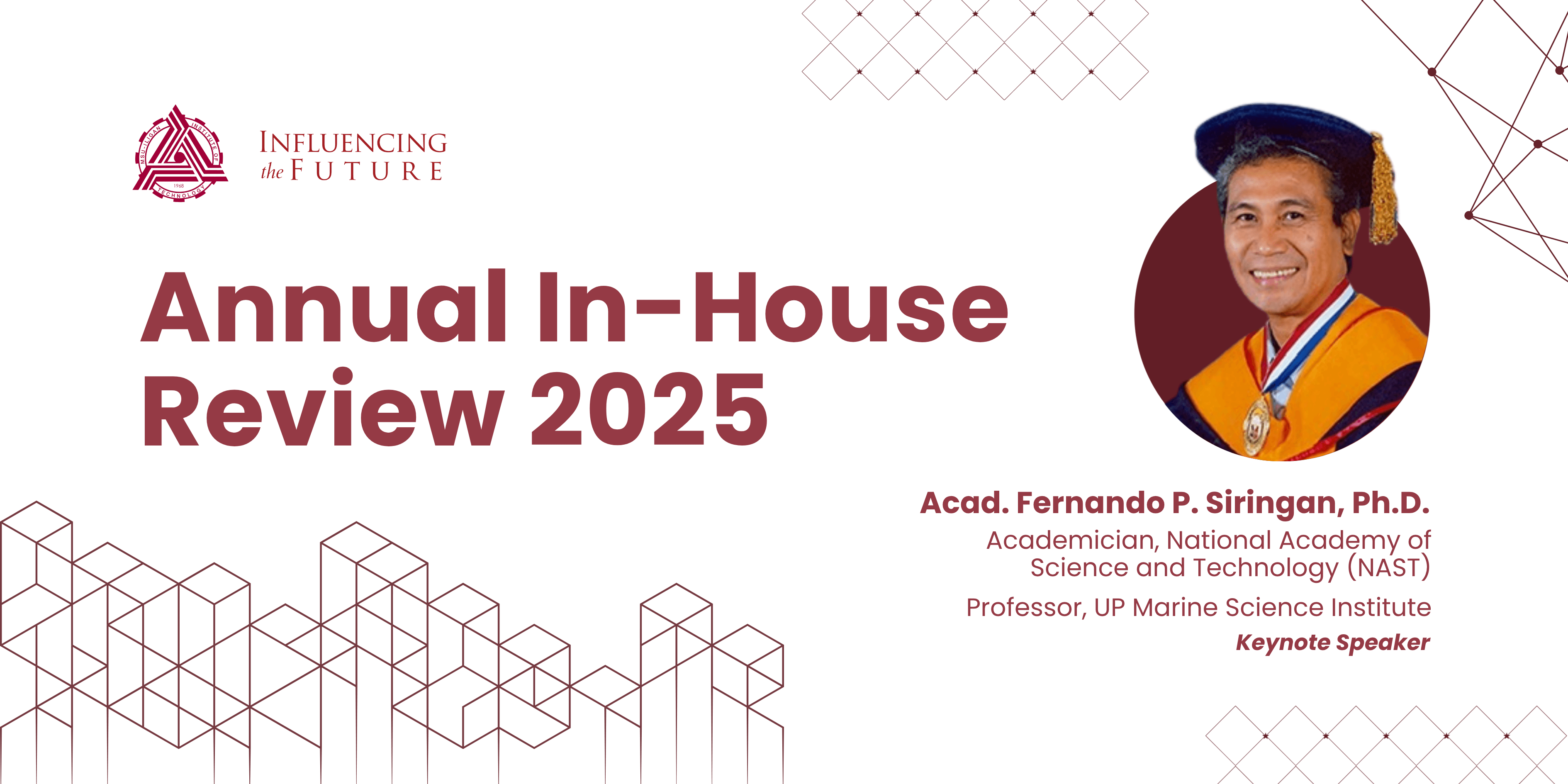
Speaker
Description
Abstract: Food safety and hygiene are critical to public health, with international organizations such as WHO and FAO emphasizing the importance of preventing contamination and ensuring compliance across the food chain. In the food industry, workers are required to wear masks and hairnets and practice proper handwashing, yet current compliance verification relies heavily on manual inspection, which is prone to human error and inconsistency. This study presents the development of an IoT-enabled smart cabin system integrated with a web application for automated monitoring of mask, hairnet, and handwashing compliance using machine learning models. The system was implemented using ROS 1 Noetic to coordinate detection, database logging, and hardware control, supported by YOLOv8-based object detection models. A dataset of over 14,000 annotated frames was collected and processed, covering proper and improper mask and hairnet usage as well as five distinct handwashing steps. The mask-hairnet detection model achieved a precision of 0.975, recall of 0.976, and mAP@0.5 of 0.984, while the handwashing detection model achieved precision of 0.954, recall of 0.938, and mAP@0.5 of 0.963. Grad-CAM visualizations confirmed that both models learned meaningful features, focusing on relevant facial, headwear, and hand regions. Results demonstrate that the integrated system enables accurate real-time compliance monitoring, with detection logs securely stored in a MySQL database and accessible via a web-based interface. This approach reduces reliance on manual inspections, improves consistency, and supports process automation in the food industry, contributing to enhanced food safety and worker hygiene practices.
Key Words: Computer vision, hygiene compliance, object detection
