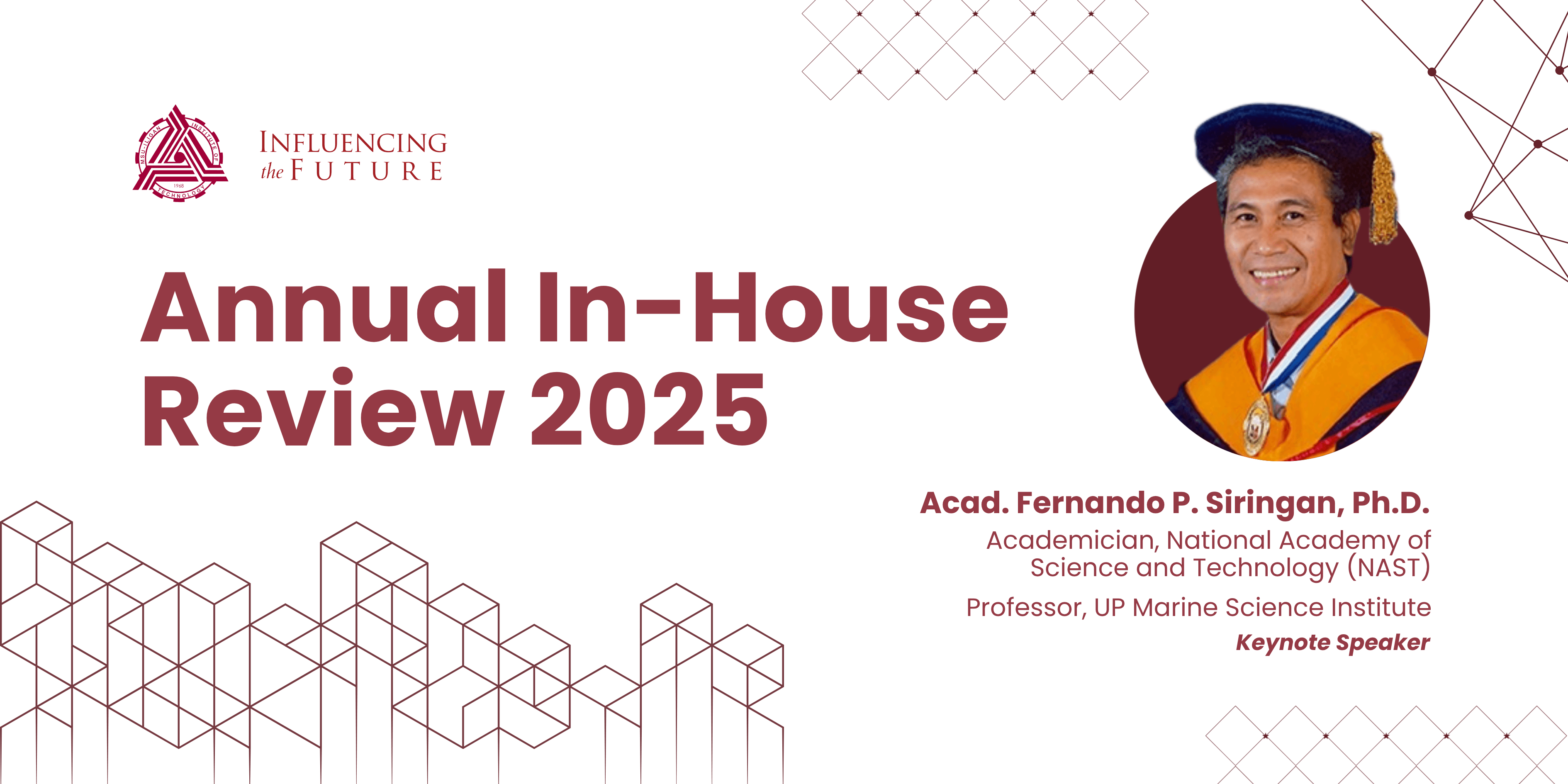
Speaker
Description
Abstract: Skin aging is a complex process influenced by oxidative stress, inflammation, and enzymatic activities that compromise essential proteins for structural integrity and promote hyperpigmentation. These processes result in wrinkles, loss of elasticity, and uneven skin tone making them central targets in cosmeceutical development. Conventional antioxidants and depigmenting agents often exhibit limitations such as instability and adverse effects thereby prompting the search for novel synthetic scaffolds with improved efficacy and safety. This study focused on the evaluation of arylated thiosemicarbazone derivatives as antioxidant agents for cosmetic applications. The primary goal was to determine their antioxidant properties. Specifically, antioxidant activity was assessed through DPPH and ABTS radical scavenging assays. Results demonstrated that all tested compounds exhibited dose-dependent antioxidant activity with the highest activity observed at 1000 µM. Among the series, compound 000A demonstrated the strongest antioxidant activity achieving 55.7% scavenging in the DPPH assay and 39.9% in the ABTS assay although its efficacy remained lower compared to the reference standard ascorbic acid. Structural analysis indicated that unsubstituted aromatic rings enhanced radical stabilization, while electron-withdrawing substituents and steric hindrance limited its activity. In conclusion, arylated thiosemicarbazone derivatives, particularly compound 000A, demonstrates a promising scaffold for the development of anti-aging cosmeceuticals. Furthermore, these findings highlight the importance of structural features in modulating compounds to improve its biological activity.
Key Words: Thiosemicarbazone; antioxidant; skin-aging
