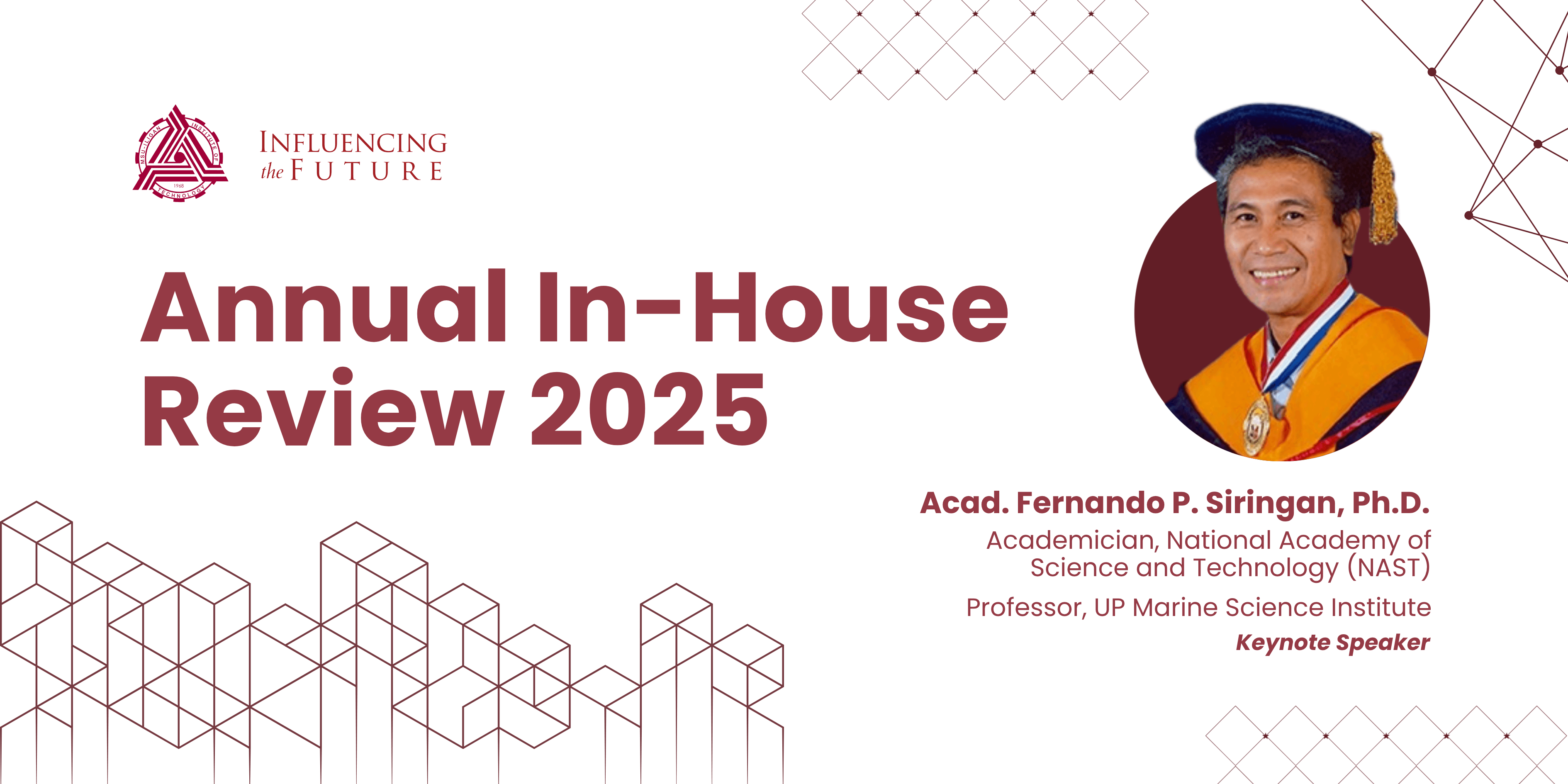
Speaker
Description
Abstract: Cancel culture is reshaping consumer-brand dynamics, yet little is known about what drives Filipino consumers to engage in such behavior. This study investigates the predictors of consumers’ intention to cancel brands in the Philippines, using the Theory of Planned Behavior and incorporating demographic variables. Understanding this phenomenon is vital for businesses operating in the region, where social media activism is on the rise. A quantitative design using PLS-SEM analyzed responses from 385 participants across generations and regions. Findings reveal that attitude, subjective norms, and perceived behavioral control significantly shape cancel intentions. Notably, age and region—specifically, younger consumers and those from Visayas and Mindanao—are strong antecedents. These groups are more susceptible to social influence, have stronger self-efficacy, and express a more favorable view of canceling brands. Recommendations include culturally sensitive reputation management and localized consumer sentiment tracking. Brands must actively align values and quickly respond to controversy with concrete corrective actions.
Key Words: cancel culture; consumer behavior; theory of planned behavior; brand boycott; Philippines; PLS-SEM
