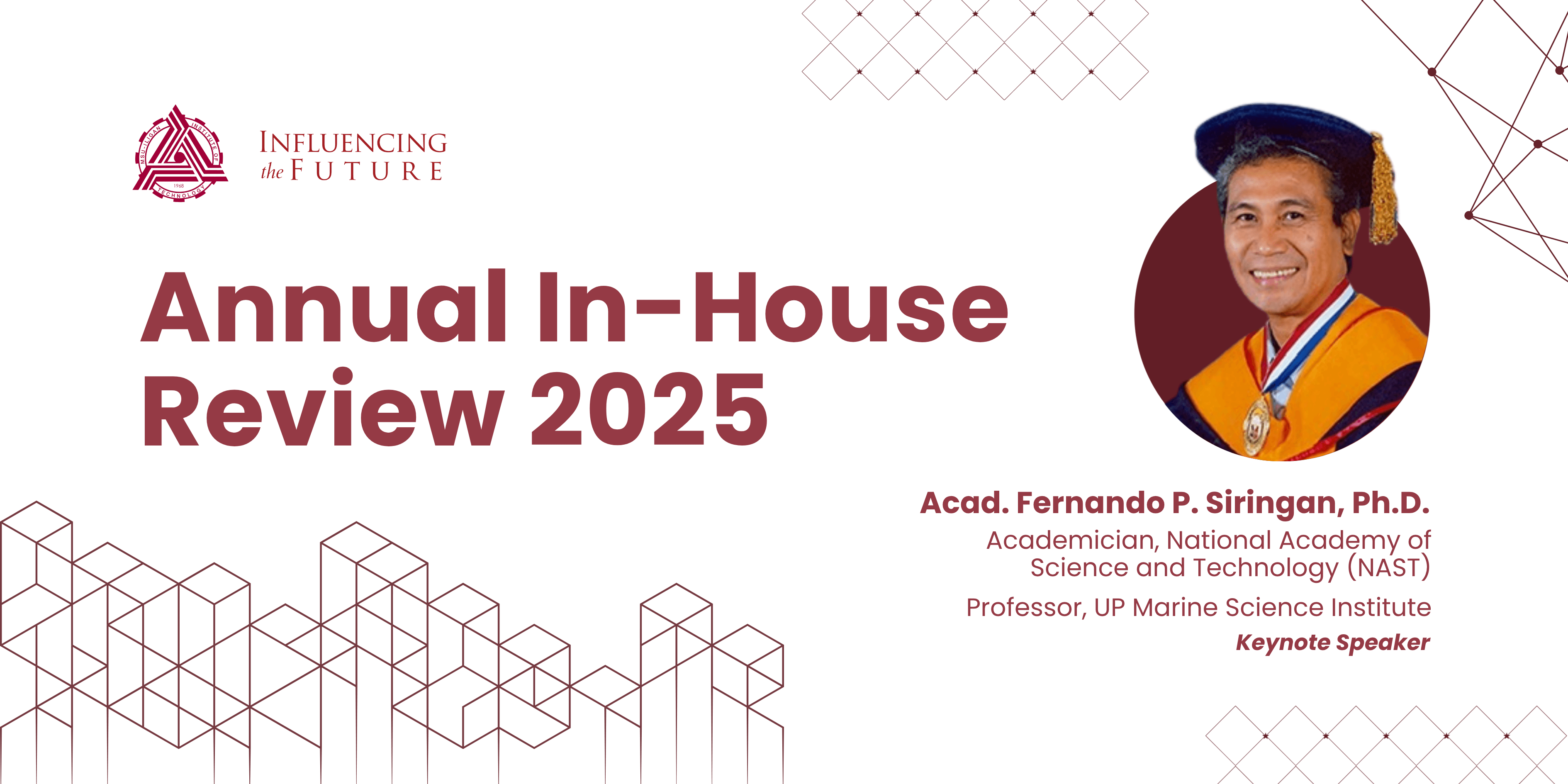
Speaker
Description
Abstract: The Philippine Statistics Authority (PSA) reported an 18% poverty incidence in the Philippines in 2021, with Geographically-Isolated and Disadvantaged Areas (GIDAs) being the most affected. Mindanao, the second-largest island, hosts numerous GIDAs facing resource limitations and socioeconomic challenges. Mindanao State University (MSU), with 16 campuses, implements projects in education, health, infrastructure, and community empowerment to address these challenges. This study examines the interconnected dynamics of beneficiary involvement, service quality, and project effectiveness within MSU projects. A quantitative research approach is adopted, utilizing descriptive statistics and regression analysis, including the examination of a moderating variable, to analyze the data. Stratified random sampling was employed in the survey administration to ensure adequate representation across key subgroups of the population. Results indicate high effectiveness in enhancing knowledge (4.19), attitude (4.12), skills (4.09), and lifestyle (3.99). Overall project effectiveness scored 4.10, reflecting success in meeting objectives. A significant positive relationship (coefficient: 0.56, p < 0.000) was found between beneficiary involvement and project effectiveness. Service quality was identified as a partial moderator, contributing 42.9% to the total influence, with responsiveness, reliability, and empathy as key dimensions. The study underscores the importance of enhancing service quality to maximize the impact of beneficiary-driven initiatives in GIDAs. Insights from this study provide guidance for policymakers and development practitioners to optimize project outcomes through strategic beneficiary engagement and service quality improvements.
Key Words: Geographically-Isolated and Disadvantaged Areas (GIDAs), Mindanao State University (MSU), Project Effectiveness, Service Quality, Beneficiary Involvement
