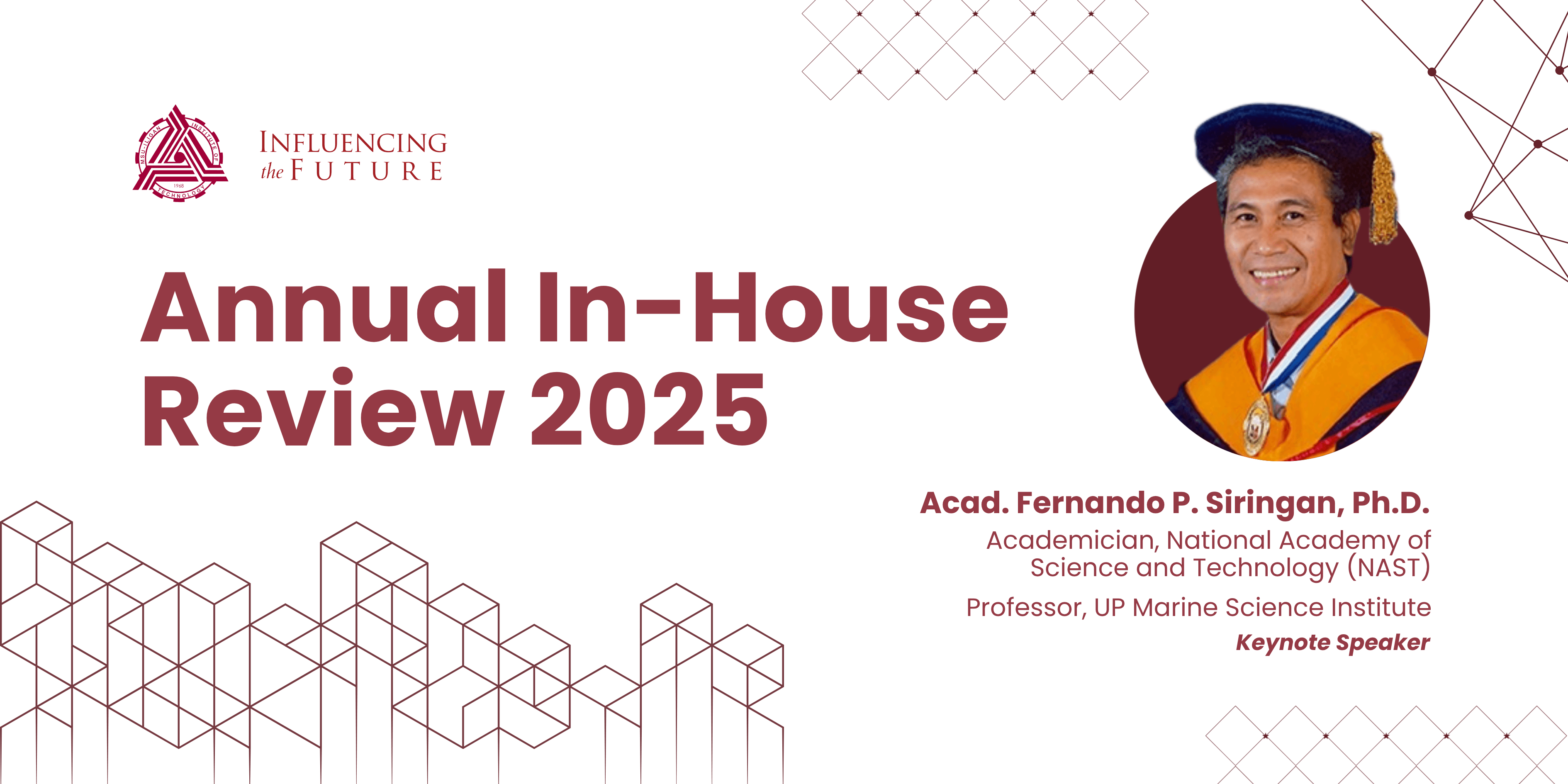
Speaker
Description
Abstract: Adolescent depression is a growing public health concern, contributing significantly to global disease burden. Understanding its associations with demographic factors and family functioning is critical for informing interventions tailored to adolescent needs. This study examined the prevalence of depression among Grade 9 pupils in Iligan City, Philippines, and explored its relationship with demographic profile and family functioning dimensions. A total of 595 Grade 9 students were surveyed, of which 352 provided complete responses to the Beck’s Depression Inventory (BDI) and the McMaster Family Assessment Device (FAD). Descriptive statistics, chi-square tests, and correlational analyses were employed to determine associations between demographic characteristics, family functioning domains, and depression status. Findings revealed a high prevalence of depressive symptoms, with many adolescents categorized under moderate to severe depression levels. Among demographic variables, only sex demonstrated a significant association with depression status. More notably, multiple family functioning dimensions showed strong links to depression: poor problem-solving (p = 0.000), unclear role distribution (p = 0.01), and weak affective involvement (p = 0.003) were significantly associated with higher depressive symptoms. Overall mean scores across all family functioning domains exceeded the healthy cut-off, indicating pervasive dysfunction in respondents’ households. While sex influences depression status, family functioning emerged as the stronger determinant of adolescent mental health. Interventions that strengthen family processes—particularly problem-solving, role clarity, and emotional engagement—are essential in reducing depressive symptoms. Family-centered programs, such as the C.A.R.E. framework (Connect, Acknowledge, Respond, Empower), may offer an effective strategy for enhancing adolescent resilience and well-being.
Key Words: Adolescent depression; Family functioning; Problem-solving; Affective involvement; Roles; C.A.R.E. framework
