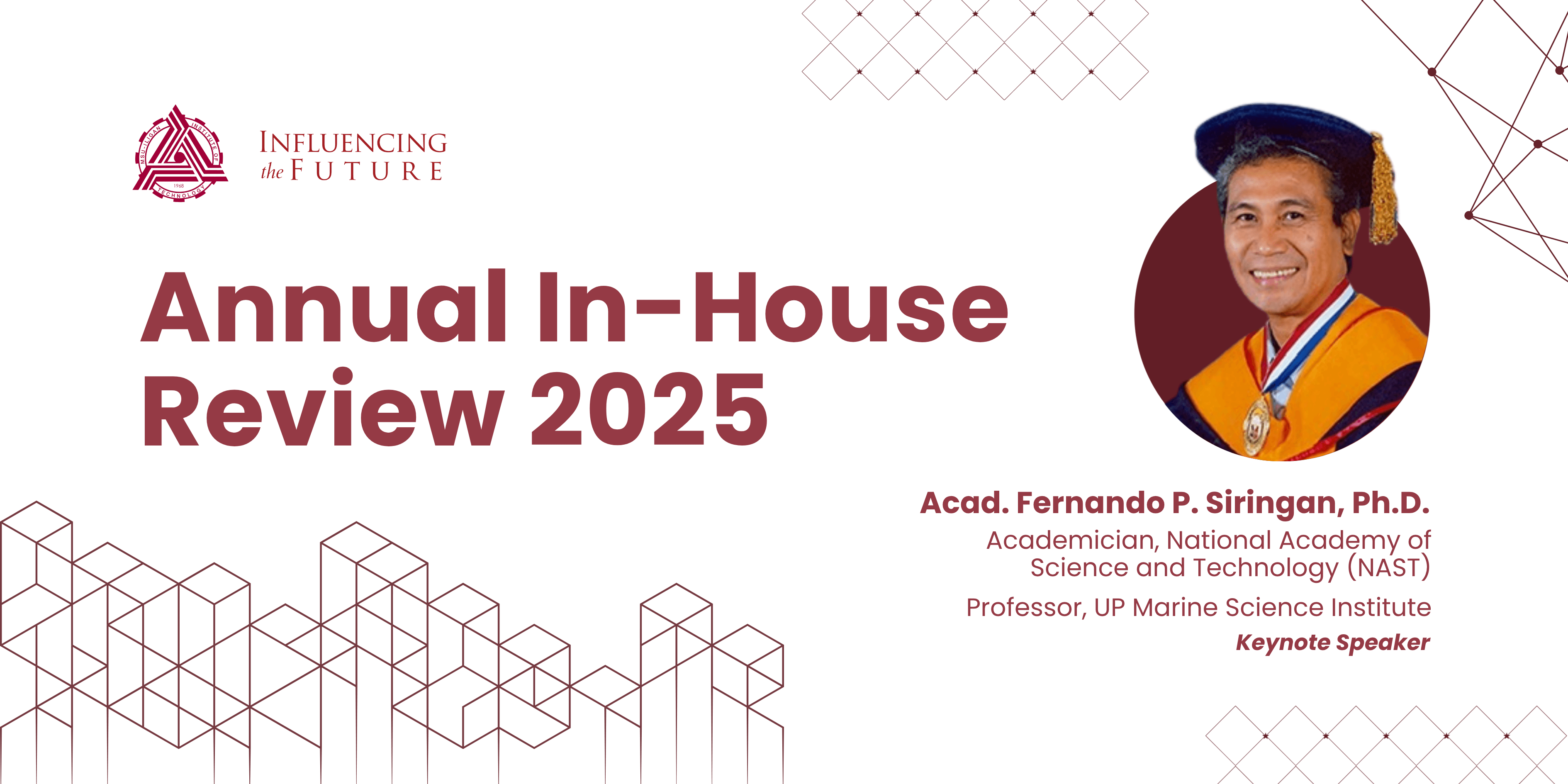
Speakers
Description
Abstract: The Dinagat Islands, located in the Caraga Region of the Philippines, possess a rich linguistic and cultural heritage that significantly shapes local environmental practices. This study investigates how language and culture influence environmental stewardship and sustainable resource management in selected municipalities and barangays of the islands. Employing a mixed-methods approach, data were collected from 150 community members, including elders, fisherfolk, teachers, youth, and local leaders, through surveys, focus group discussions, participant observation, and key informant interviews. Descriptive statistics and thematic analysis were applied to quantify language use, assess environmental awareness, and identify recurring cultural practices supporting ecological responsibility. Results reveal that 82% of respondents primarily use local dialects in environmental discourse, with Filipino and English accounting for 12% and 6%, respectively. Community participation in cultural practices—such as traditional fishing taboos, rituals, festivals, and storytelling—ranged from 58% to 76%, and high retention of language and cultural practices correlated with 85% engagement in environmental activities. The findings underscore the strong connection between linguistic and cultural preservation and pro-environmental behavior, highlighting the role of oral traditions, local terminologies, and rituals as informal regulatory systems. Declining use of local languages and reduced cultural participation pose risks to sustainable practices. Strategies emphasizing the integration of local language education, documentation of indigenous knowledge, and youth engagement are essential to strengthen environmental stewardship. This study affirms that preserving language and cultural heritage is crucial not only for maintaining community identity but also for promoting ecologically responsible behaviors and sustainable development.
Key Words: Dinagat; Islands, language; culture, environmental stewardship; indigenous knowledge
