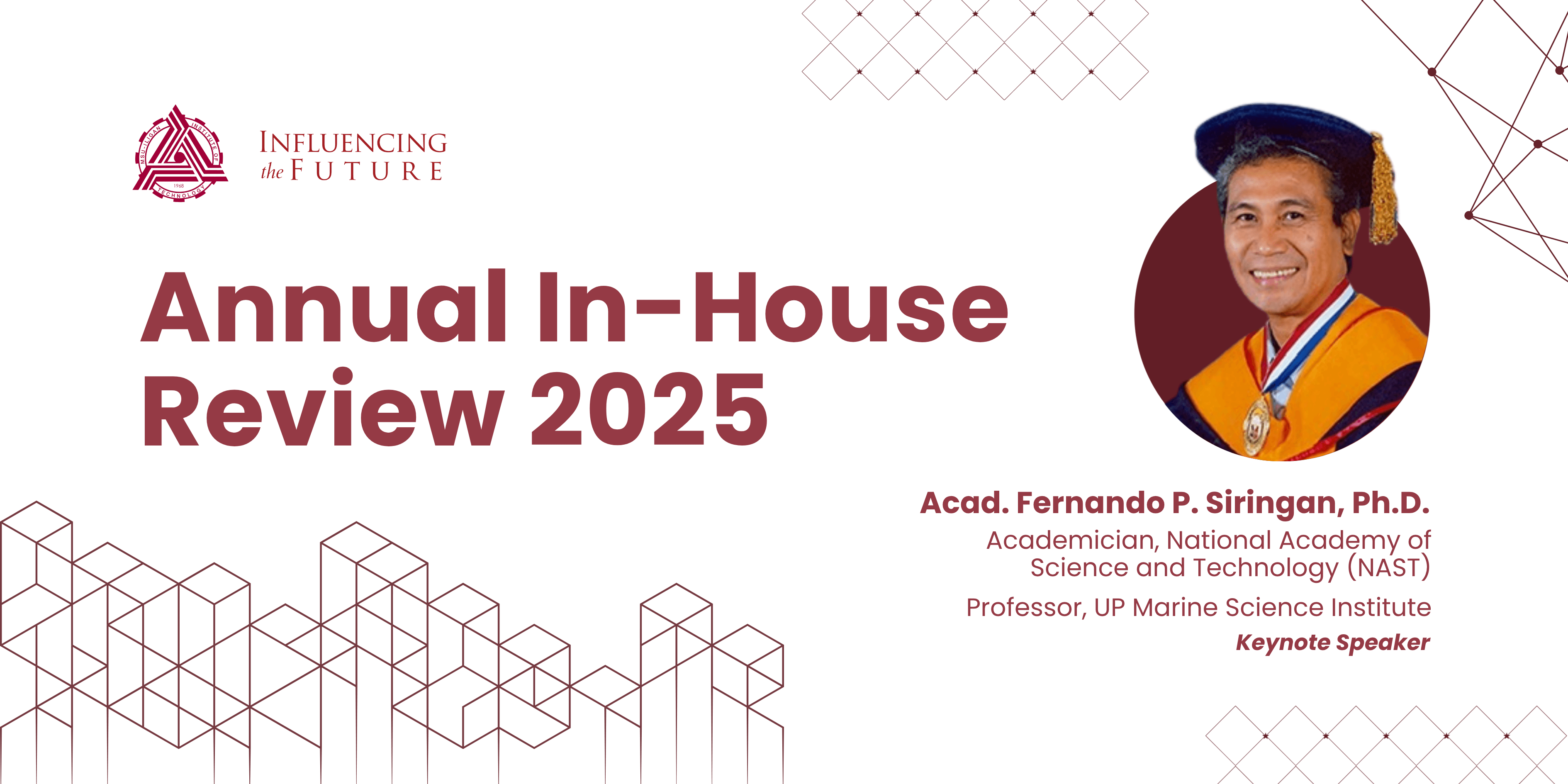
Speaker
Description
Abstract: Online Sexual Abuse or Exploitation of Children (OSAEC) presents a critical and growing concern, with far-reaching psychological, social, and economic impacts on survivors and at-risk children. This study assessed psychological distress, life values, sense of coherence, behavioral functioning, and post-traumatic stress disorder (PTSD) symptoms to inform the development of a Gender and Social Equity Enhanced Development Intervention Program. A cross-sectional study was conducted among 100 OSAEC survivors and 2,681 at-risk children in Iligan City. Standardized assessment tools were employed to evaluate depressive symptoms, PTSD indicators, life values, sense of coherence, and strengths and difficulties. Data were analyzed using descriptive statistics supported by thematic interpretation to identify key patterns and vulnerabilities. Findings revealed elevated depressive symptoms, particularly low energy and somatic complaints, along with high PTSD symptomatology characterized by avoidance, intrusion, and hyperarousal. Survivors demonstrated moderate to low sense of coherence, reflecting limited ability to comprehend, manage, and derive meaning from their experiences. Emotional distress, conduct problems, hyperactivity, and poor peer relationships were commonly reported, while prosocial behavior remained consistently low. Both survivors and at-risk children prioritized achievement, financial stability, and independence, while group loyalty and environmental concern were rated lower, indicating a strong drive for personal control and stability. These results underscore urgent need for gender-responsive, trauma-informed interventions that integrate specialized therapies, family and community-based support, livelihood opportunities, and educational reintegration. Expanding research to capture unreported cases, diverse populations, and longitudinal outcomes is essential to strengthen evidence-based programming and promote resilience, recovery, and sustainable reintegration for affected children and families.
Key Words: Online Sexual Abuse and Exploitation of Children (OSAEC); Psychological distress; Post-traumatic stress disorder (PTSD); Trauma-informed intervention
