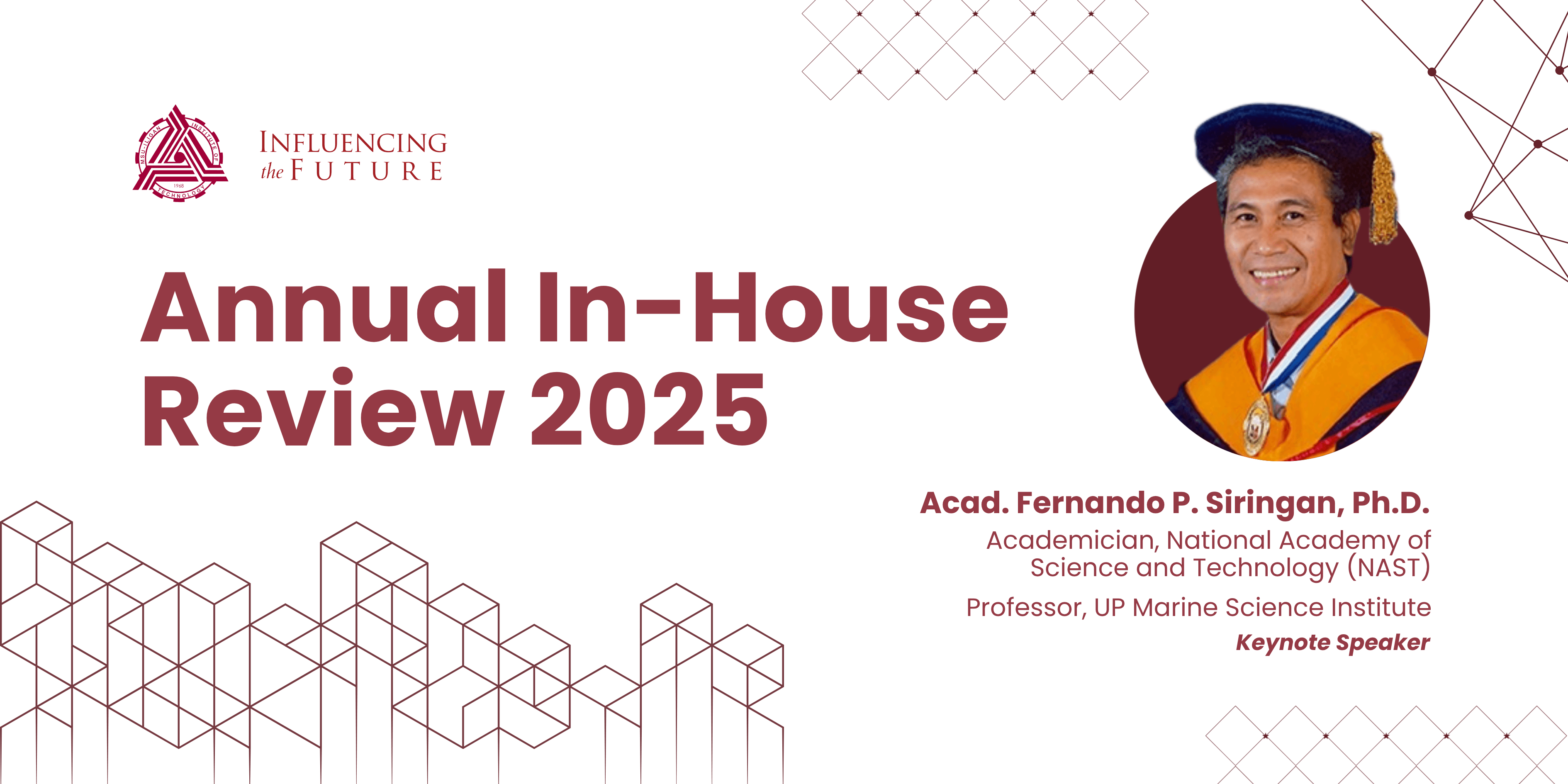
Speaker
Description
Abstract: The university consumes a huge amount of electrical energy. High electricity consumption can significantly impact both its finances and carbon footprint. Energy auditing is one of the first phase of achieving energy efficiency and reduction of carbon footprint. This study delivers the first phase of standard energy audit procedures at MSU-IIT. Specifically, the objectives are to quantify the total amount of electrical energy consumed and greenhouse gas (GHG) emissions by conducting a comprehensive diagnostic energy audit at selected buildings at MSU-IIT. Illuminance levels, temperature, humidity tests and assessment of energy-psychosocial factors of students were also conducted in this study. The study shows that the Heating, Ventilation and Air Conditioning (HVAC) consumes the highest amount of energy consumed. The main contributor to high-energy consumption and emissions in the university were attributed to inefficient air-conditioning (AC) units, the disproportion sizing of AC units relative to floor areas, low thermostat settings and poor energy-related psychosocial factors among students. Also, illuminance ratings of most of the buildings were identified as under-illuminance, which can negatively affect task performances and may impair the eyesight of the students, faculty and staff. The findings underscore the urgent need to substantially reduce in two ways: First, the technological efficiency and renewable sources. Secondly, sustainable energy practices.
Key Words: Energy audit; Climate Change; Energy Consumption; Buildings, Behavior
