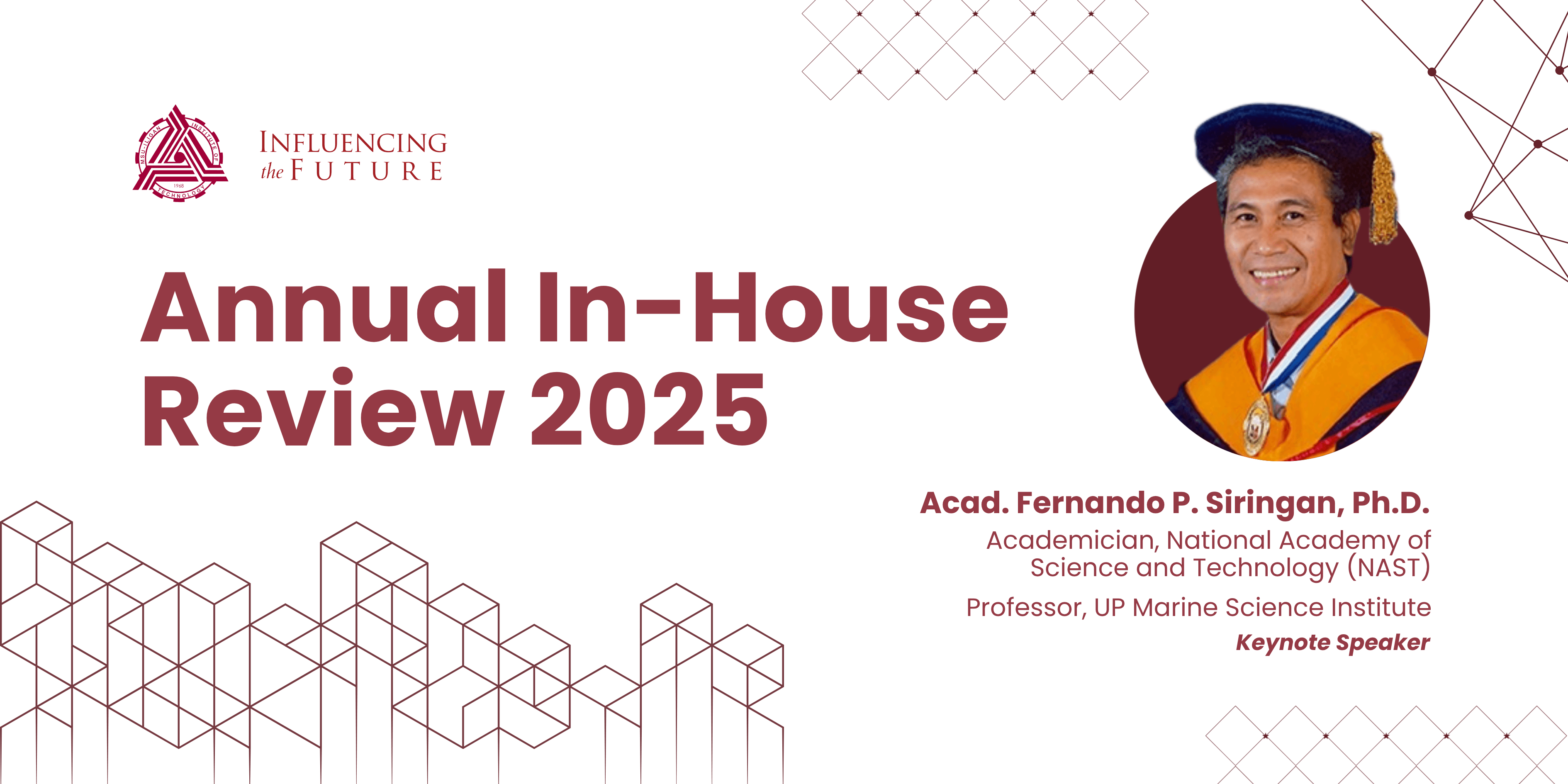
Speaker
Description
Abstract: Dengue remains one of the most critical public health challenges in the Philippines. In the absence of an effective vaccine, the most practical means of mitigating its spread involves reducing the mosquito population and minimizing human exposure to mosquito bites. This study introduces vector and human-based control strategies, with a particular emphasis on transmission reduction. A modified Susceptible-Infected-Recovered (SIR) dengue model, based on the work of de los Reyes and Escaner, is used to incorporate these interventions. Numerical simulations are conducted to evaluate the impact of the proposed controls when applied individually and in combination. The results show that sustained maximum control efforts throughout the year significantly reduce infection levels. Notably, the simultaneous implementation of both strategies at full intensity yields the most substantial decline in dengue cases. These insights can aid public health authorities in designing more effective dengue prevention programs in the absence of vaccination.
Key Words: Vector Control; Human Control; Dengue Vaccine; Optimal Control; Pontryagin's Maximum Principle
